The Critical Role of Laser Power Supplies in High Energy Laser & Laser Directed Energy Weapon Systems

Key Technical Insights

  • Laser power supplies are key performance drivers in High Energy Laser systems, directly impacting efficiency and reliability.
  • Peak-power capability is essential for delivering short, high-energy pulses in laser directed energy weapon applications.
  • Scalable, DC-input designs enable flexible integration and future-proof system architectures.


Open PDF Version

Introduction

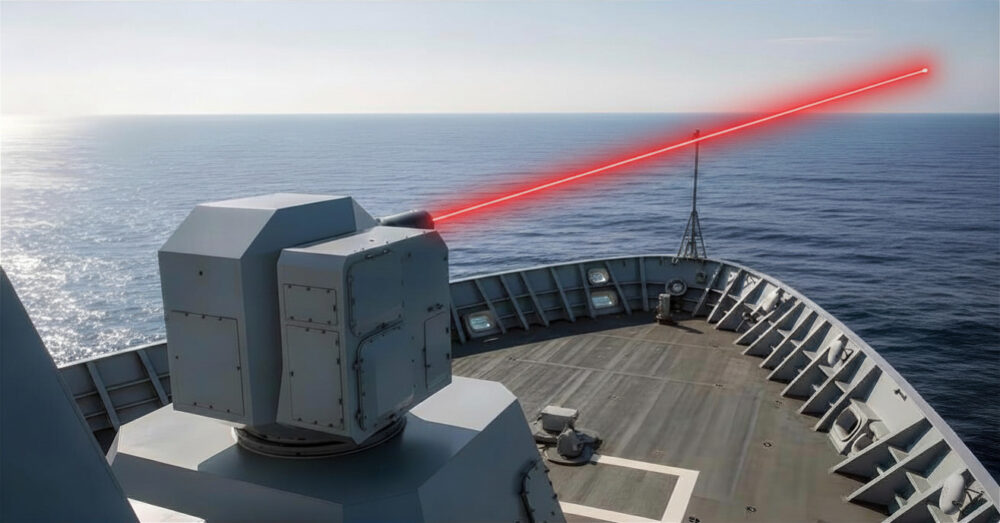
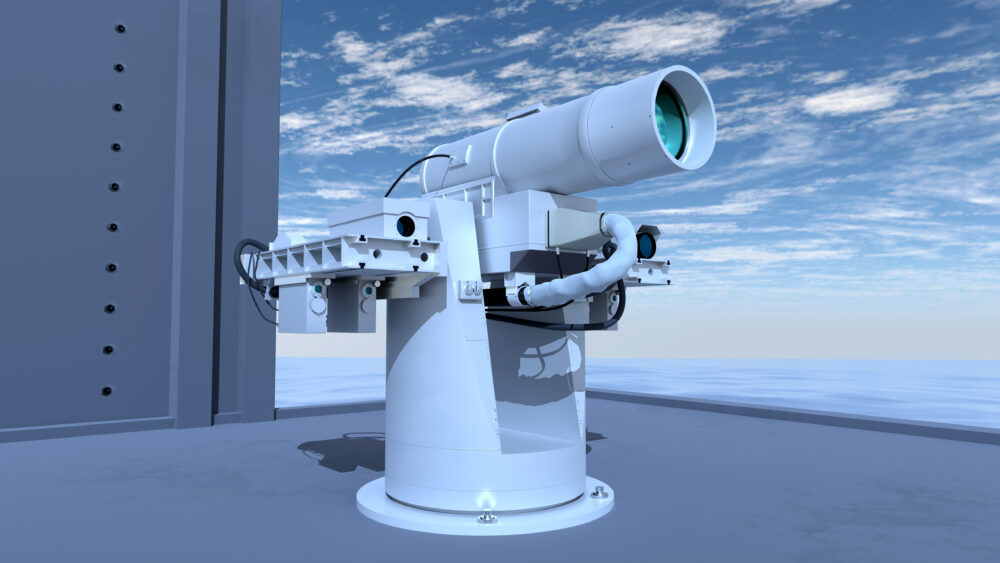
High Energy Laser (HEL) systems are rapidly becoming a cornerstone of modern Laser Directed Energy Weapons (LDEW). While much attention is given to beam quality and targeting systems, the real enabler of performance is often overlooked: the laser power supply.

LDEW platforms—whether deployed on land, sea, or air—require:

  • Rapid bursts of high energy
  • Compact and lightweight systems
  • Reliable operation under harsh conditions To meet these demands, today’s laser power supply must go beyond traditional designs and incorporate scalability, peak-power capability, and DC-input compatibility.

Key capabilities


Scalability

Future-Proofing HEL Systems

A scalable laser power supply allows system designers to:

  • Increase output power as mission requirements evolve
  • Add redundancy for higher reliability
  • Standardize across multiple platforms

    This modular approach reduces integration risk and ensures long-term flexibility for defense programs.

Peak Power

Delivering Energy When It Matters

Unlike industrial lasers, Laser Directed Energy Weapons systems rely on short, high-energy bursts. A laser power supply with peak-power capability:

  • Enables high-energy pulses without requiring massive continuous power
  • Improves engagement effectiveness

    This makes peak-power laser power supply architectures ideal for mobile and power-constrained environments.

DC Input

Designed for Modern Platforms

Modern defense platforms increasingly operate on DC power systems. A DC-input laser power supply:

  • Integrates directly with onboard energy systems like a battery
  • Improves overall efficiency
  • Reduces size and system complexity

    Companies like SFC Energy are advancing DC-based energy solutions, supporting next-generation laser power supply integration with fuel cells and hybrid systems.

Liquid Cooling and Reliability

Mission-Critical Features

High-power laser systems generate significant heat. Liquid cooling enables:

  • Stable performance under continuous load
  • Higher power density
  • Longer system lifetime
  • One cooling system can be used to cool both the laser and the power supply.

    Equally important are built-in safety and protection features, ensuring that the laser power supply operates reliably in demanding environments.

A modern laser power supply is not just a component
it is a performance driver

By combining:

  • Scalable architecture
  • Peak-power capability
  • DC-input design
  • Advanced cooling and safety
    …today’s laser power supply solutions enable HEL systems to meet the demanding requirements of LDEW applications.

Q&A

Why are modern laser directed energy weapon systems so demanding for power supply design?

Laser Directed Energy Weapons (LDEW) operate in highly dynamic and constrained environments. This creates several key requirements:

  • Rapid delivery of high-energy pulses
  • Compact and lightweight system architecture
  • Reliable performance in harsh conditions (temperature, vibration, mobility)

Traditional power supply designs cannot meet these demands. Modern systems require scalable, high-density, and mission-adaptive solutions.

What role does the laser power supply play in high energy laser systems?

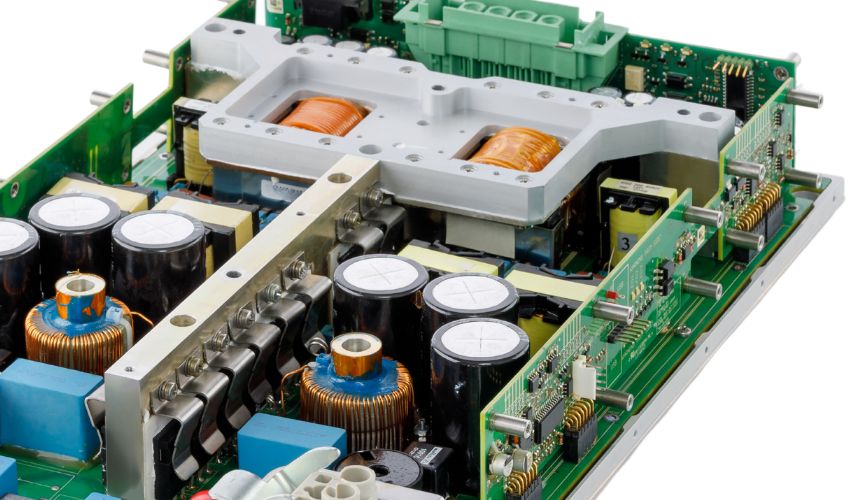
In High Energy Laser (HEL) systems, the laser power supply is a critical performance driver—not just a supporting component. It determines how efficiently energy is delivered, how stable the system operates, and how effectively the laser performs in real-world missions.

While beam quality and targeting often get the spotlight, the laser power supply ultimately defines system responsiveness, efficiency, and deployability.

How does cooling impact laser power supply performance?

High-power laser systems generate significant thermal loads. Without proper cooling, performance and lifetime are compromised.

Liquid cooling provides:

  • Stable operation under continuous load
  • Higher power density
  • Extended system lifetime
  • Integrated cooling for both laser and power supply

This is especially critical in compact and mobile LDEW platforms.

Discover our scalable power platforms

We partner with our customers to engineer and manufacture high-quality power supplies. Through close collaboration, we tailor each solution to meet exact application requirements—ensuring reliability, performance, and seamless integration into advanced systems.

More information


Contact our expert Onno van Apeldoorn

Get expert advice on custom power supplies tailored to your application.